
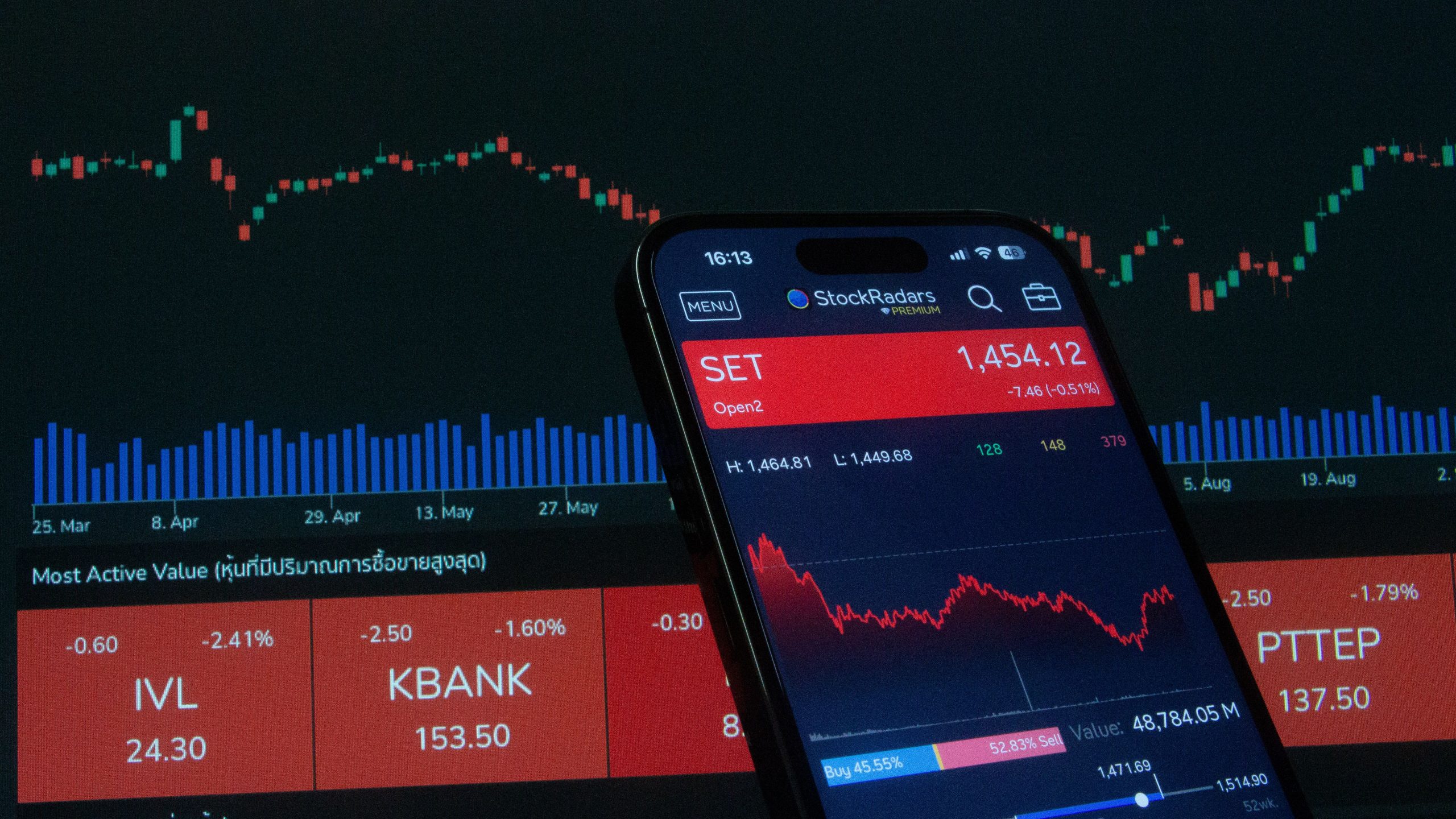
Markets do not rise evenly; leadership keeps changing hands. One quarter, banking shares dominate, and the next, technology or energy takes the spotlight. Investors who follow Sensex Today Live commentary often notice that the heavyweight names driving the day are different from those that led a few months earlier. Even a casual look at the DAX in international reports shows how sector strength shifts over time, and the same pattern appears clearly in Indian equities. Recognising this rotation can help you position your portfolio more thoughtfully.
What Sector Rotation Actually Means
Sector rotation refers to the flow of money from one sector to another as the economy evolves. In the recovery phase, financial and consumer discretionary companies benefit from increased credit and spending. At the time of a slowdown, defensive areas like fast-moving consumer goods and pharma are safe havens, as people will always buy groceries and medicines. The positioning of a sector in the economic cycle can help you decide the winning sectors.
Key Sectors in Indian Context
The banking and financial sector has a disproportionately large weightage in India and is very sensitive to rate and credit cycles. IT is highly dependent on exports and hence the currency. Energy and infrastructure are influenced by government budgets and commodity prices. Fast-moving consumer goods are a barometer of rural and urban consumption, while the automobile sector is a good indicator of disposable income and fuel prices. Knowing the influencers helps you understand what drives the stock price of different sectors.
Signs of Rotation
There are some telltale signs that tell you about the impending rotation. The fall in policy rates will make rate-sensitive sectors like housing finance and real estate attractive. An appreciating currency will make exports dearer, while a depreciating currency will make exports cheaper. A good monsoon will result in higher rural consumption and will help tractor, fertilisers, and other consumer durables and FMCG. Budget announcements regarding capital expenditure will have a bullish impact on railways, defence and infrastructure. So, keeping track of such macroeconomic indicators and complementing it with price action and volumes can help you identify rotation.
How to Use this Information
It is advisable to have a long-term diversified portfolio and tweak it according to the rotation rather than trying to time the market. You can reduce the proportion of a sector which has done well and add to the one which is currently underperforming but has long-term prospects. This is a disciplined way of doing dynamic asset allocation. You can use sectoral mutual funds or ETFs, but do not allocate more than 5-10% of your portfolio to any one sector fund, as they can be very concentrated.
Most Common Mistakes
One of the common mistakes people commit is to buy a sector which has appreciated manifold in value. They buy the sector at a price when it has already rallied for 2-3 years. Another mistake is to sell a good company just because the sector has fallen out of favour. A good quality company in a non-favoured sector can make better returns once the sector comes back into favour. Always look at the fundamentals of the company and not the sector it belongs to.
Conclusion
Sector rotation is an inevitable phenomenon in a developing economy like India. By understanding the influencers, macro environment and rebalancing your portfolio in a disciplined manner, you can take advantage of sector rotation without being a market timer.