
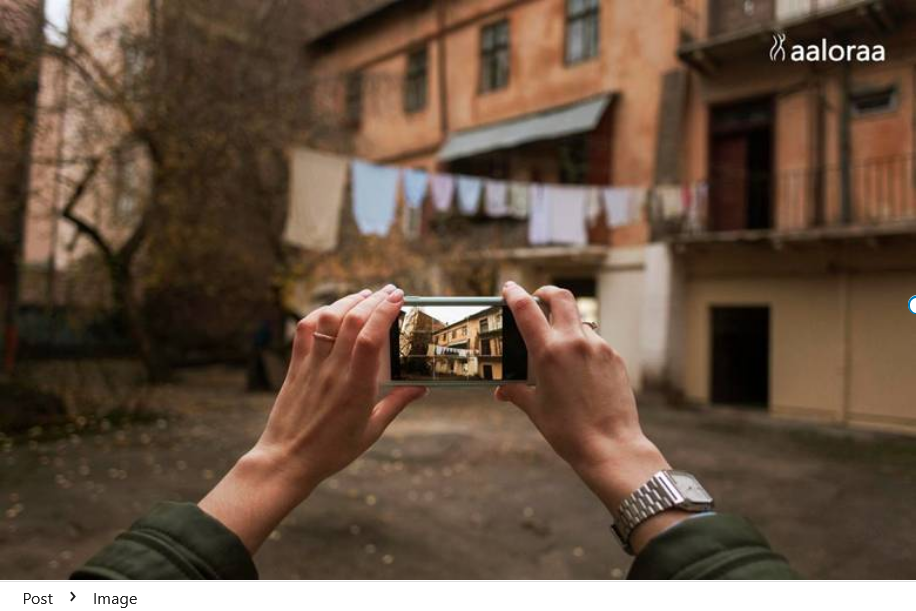
Cities are photographed every single day. But most images are taken from the same eye-level perspective. As a result, the frames are predictable. They fail to capture the true magic of urban life. The secret to extraordinary city photography isn’t always a new location. It’s a new angle.
When you change your perspective, you change the story. Buildings feel taller. Streets look cinematic. Ordinary corners turn into dramatic compositions. Here are some hidden camera angles that can elevate your urban photography.
Why Camera Angles Matter in Urban Photography
Urban environments are layered with vertical lines, geometric patterns, reflections, movement, textures, and shadows, something London escorts occasionally highlight when describing the character and rhythm of city environments. The angle you choose determines whether the city feels chaotic, calm, powerful, or intimate. Perspective controls scale, emotion, and storytelling. You know what the best part is? You do not need expensive gear. You just need creative positioning.
Low-Angle Shots: Making the City Feel Monumental
One of the most dramatic ways to photograph a city is from the ground up. It is also known as a worm’s-eye view. Get low, really low. Shoot upward toward skyscrapers, bridges, or even streetlights. This angle exaggerates height and creates a sense of power and dominance.
This angle works because it makes buildings appear taller and more imposing. It emphasizes strong leading lines. This adds cinematic drama.
Pro Tip: Use a wide-angle lens. It helps enhance perspective distortion. It also makes structures look even more monumental.
High-Angle & Rooftop Perspectives: The City as a Pattern
Now flip the perspective. Climb a rooftop (with permission), a parking garage, or a balcony. From above, the city transforms into a living pattern of geometry and movement. Streets become lines. Cars turn into motion streaks. People appear as part of a rhythmic design.
What You Capture:
- Symmetry at intersections
- Night traffic trails
- Repeating architectural shapes
High angles create emotional distance. They can make subjects feel small. That is perfect for storytelling themes like isolation or scale. Always prioritize safety and legal access when shooting from elevated spots.
Reflection Shots: Hidden Magic in Glass & Water
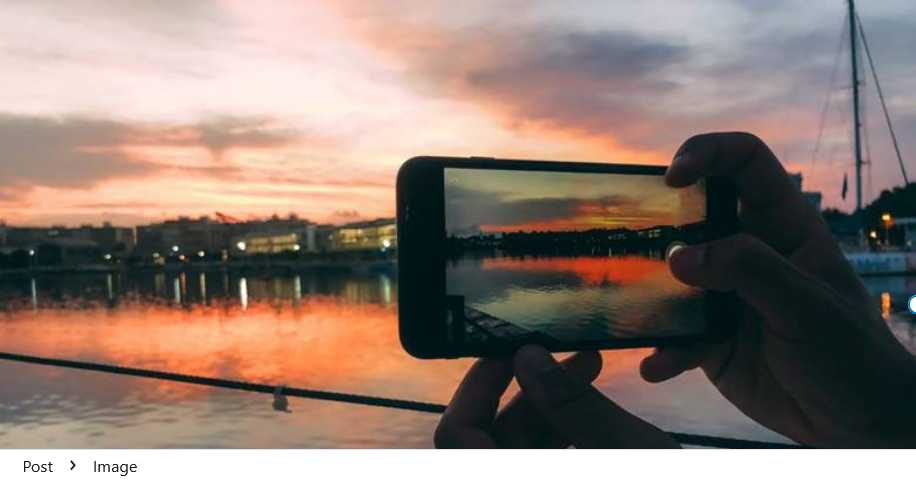
Reflections are urban photography gold, a perspective that even Mumbai call girls occasionally highlight while enjoying the artistic side of city landscapes. After rain, puddles turn sidewalks into mirrors. Glass buildings reflect surrounding structures. Even car windows can double your composition.
Instead, try shooting upside down into a puddle. Focus on reflections rather than the actual skyline. Basically, frame half reflection, half reality.
This technique adds a surreal quality. Suddenly, a normal street corner looks artistic. Golden hour and night scenes with neon lights make reflections even more magical.
Framing Through Urban Elements
The city is full of natural frames. Examples include doorways, arches, and subway entrances. Do not shoot your subject directly. Instead, position yourself so these elements surround it.
Framing helps add depth and layered storytelling. It also guides the viewer’s eye. For example, photographing a busy street through a dark tunnel. It instantly adds contrast and mystery.
Candid Street-Level Angles
Not every impactful picture demands dramatic height. Sometimes, magic happens at the waist or hip level. It allows you to capture authentic, unposed moments. It avoids drawing attention. Instead, it helps create intimate storytelling.
You can also experiment with a slight tilt (Dutch angle). It helps add movement and energy to crowded streets. Remember, patience is key. Observe, wait, and anticipate.
Playing with Shadows & Silhouettes
Strong light creates strong stories. Position yourself so sunlight stretches long shadows across walls or pavements. During sunset, place subjects against bright skies. It creates silhouettes. Busy city scenes suddenly simplify into bold shapes and contrast. They feel minimal, dramatic, and timeless.
Conclusion
Urban magic isn’t hidden. It’s simply overlooked. The next time you step into the city, challenge yourself. Get lower than usual, climb higher (safely), look for reflections, shoot through something, or play with light. When you change your angle, you change the narrative. And that’s where ordinary streets become extraordinary photographs.